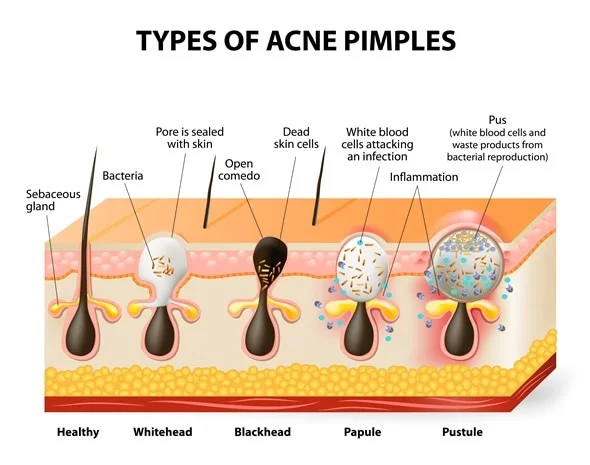
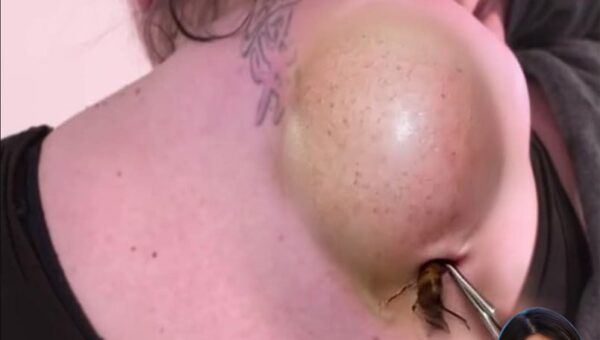
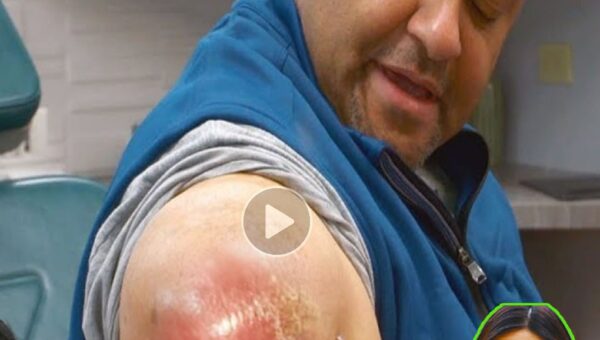
Cystic acne is one of the most severe types of acne. It appears as large, painful, fluid-filled cysts beneath the skin. These cysts are often soft to the touch and can be highly inflamed.
Cystic acne develops when infections occur deep within clogged pores, leading to significant inflammation. It may be linked to hormonal changes and can be persistent if not properly managed.
Due to its severity, cystic acne is more likely to cause scarring if not treated carefully. Professional treatment is often recommended to help control inflammation and reduce the risk of long-term skin damage.
Hormonal Acne
Hormonal acne is influenced by fluctuations in hormone levels, particularly androgens, which can increase oil production in the skin. This type of acne commonly appears along the jawline, chin, and lower face.
Hormonal changes can occur during puberty, menstruation, pregnancy, or periods of stress. Hormonal acne may include a mix of whiteheads, blackheads, papules, pustules, or deeper cysts.
Managing hormonal acne often involves a combination of skincare routines and lifestyle considerations. Consistency in cleansing, maintaining a balanced diet, managing stress, and seeking professional advice when needed can all contribute to better skin balance.
Acne Mechanisms and Contributing Factors
While acne types differ in appearance and severity, they share common underlying causes. Excess oil production, accumulation of dead skin cells, bacteria, and inflammation all play a role in acne formation.
Hormonal activity can stimulate the sebaceous glands, increasing oil production. When combined with improper cleansing or buildup of debris, pores become more likely to clog. Additionally, certain products that are too harsh or not suited to an individual’s skin type may disrupt the skin barrier and contribute to acne.