
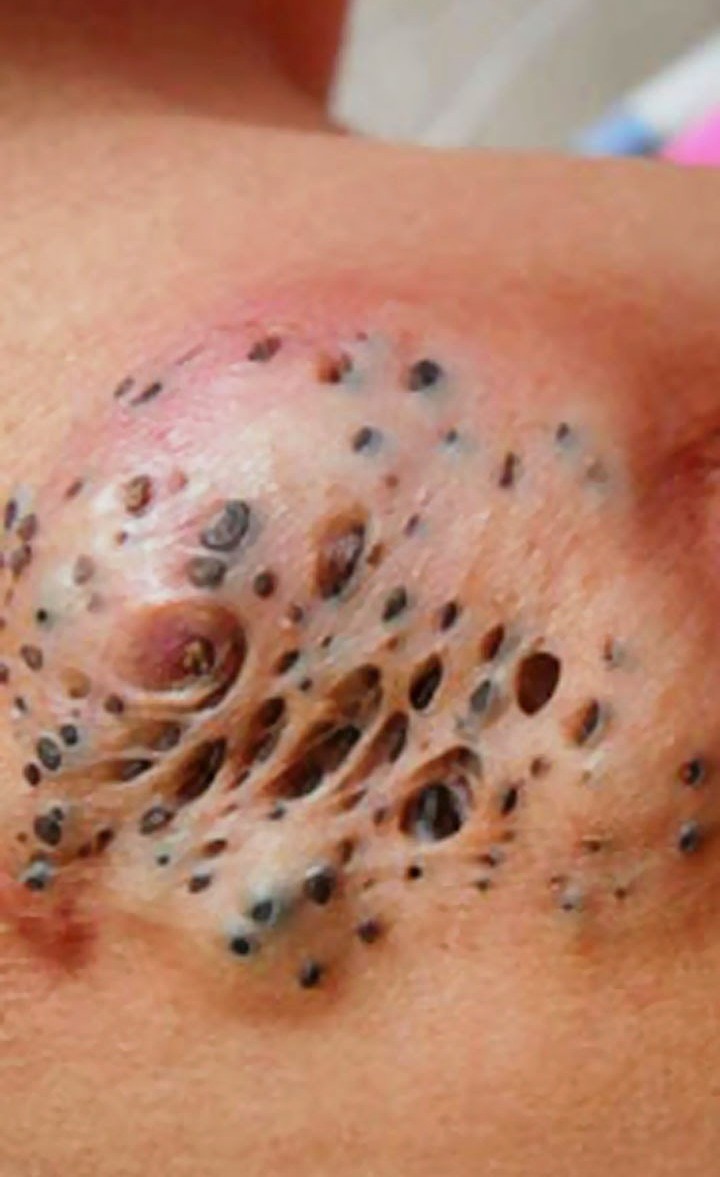
Healthy Skin Habits You Can Start Today

- Understand Your Skin’s Daily Needs
- Cleanse Gently Every Morning and Night
- Moisturize Every Day
- Protect Skin from Sun Exposure
- Drink Enough Water Throughout the Day
- Eat Foods That Support Skin Health
- Get Enough Sleep Each Night
- Avoid Touching Your Face Too Often
- Exercise Regularly for Better Circulation
- Manage Stress Carefully
Healthy skin does not always require expensive products or complicated beauty routines.
In many cases, simple daily habits can make a noticeable difference over time.
Skin reflects overall health, so caring for it involves both external care and internal wellness.
By starting a few easy habits today, anyone can improve skin comfort, appearance, and long-term resilience.
Understand Your Skin’s Daily Needs
Skin protects the body from heat, cold, pollution, and bacteria. Because it works constantly, it needs regular care to stay balanced. Dryness, irritation, excess oil, and breakouts often happen when skin loses moisture or becomes exposed to harsh conditions.
A simple daily routine helps maintain the skin barrier. This does not need to be complicated. Consistency matters more than using many products. Washing gently, moisturizing regularly, and protecting skin from sunlight are often the most important first steps.
Cleanse Gently Every Morning and Night
Cleansing removes sweat, oil, dust, and impurities that build up during the day and night. However, over-washing or using harsh cleansers can strip away natural oils and cause dryness.
Choose a gentle cleanser suited to your skin type. Use lukewarm water instead of hot water, because hot water may leave skin feeling dry. In the morning, cleansing helps remove oil that collects overnight. At night, cleansing removes makeup, sunscreen, and pollution.
Avoid scrubbing too hard. Skin responds better to gentle care than rough treatment. Pat the face dry with a clean towel instead of rubbing.
Moisturize Every Day
Moisturizer helps keep water inside the skin and supports softness. Even oily skin benefits from moisturizing because dehydration can sometimes lead to more oil production.
Apply moisturizer after washing while the skin is still slightly damp. This helps lock in moisture. Lightweight formulas often work well during hot weather, while richer creams may feel better in dry or cool conditions.
The key is daily use. Many people notice improvement when moisturizing becomes a regular habit rather than an occasional step.
Protect Skin from Sun Exposure
One of the most effective habits for healthy skin is protecting it from strong sunlight. Too much sun exposure may lead to dryness, uneven tone, and visible signs of early aging.
Using sunscreen daily helps reduce damage from ultraviolet rays. Sunscreen is useful even on cloudy days because sunlight still reaches the skin.
Choose sunscreen with broad protection and apply it before going outdoors. Reapply when staying outside for long periods. Hats, sunglasses, and shade also help protect exposed skin.
This habit often gives long-term benefits because sun damage builds slowly over time.
Drink Enough Water Throughout the Day
Hydration supports many body systems, including skin. When the body lacks water, skin may feel dry or tired.
Drinking water regularly helps maintain moisture balance. While water alone does not solve every skin concern, it supports overall skin comfort and function.
Try keeping water nearby during the day. Fruits with high water content, such as watermelon, cucumber, and oranges, also contribute to hydration.
Eat Foods That Support Skin Health
Food choices affect skin appearance more than many people realize. Fresh vegetables, fruits, healthy fats, and protein provide nutrients the skin uses for repair and renewal.
Foods rich in vitamins A, C, and E support skin maintenance. Healthy fats from nuts, seeds, fish, and avocados may help maintain softness.
Reducing excess sugar and heavily processed foods may also help some people maintain clearer skin.
Balanced eating supports not only skin but also energy and general health.
Get Enough Sleep Each Night
Sleep gives the body time to repair itself, including the skin. Poor sleep may lead to tired-looking skin, dullness, or under-eye shadows.
Aim for a consistent sleep schedule whenever possible. A clean pillowcase also helps because fabric collects oil and dust over time.
Nighttime skin care can be simple: cleanse, moisturize, and rest. The body often does much of its skin repair during sleep.
Avoid Touching Your Face Too Often
Hands touch many surfaces during the day and can transfer dirt or oil to the skin.
Touching the face frequently may increase irritation or contribute to clogged pores. Picking at blemishes may also slow healing and increase marks.
Keeping hands clean and avoiding unnecessary face touching is a small habit that often helps over time.
Exercise Regularly for Better Circulation
Movement supports circulation, which helps deliver oxygen and nutrients throughout the body, including the skin.
Sweating during exercise also helps clear pores, but cleansing afterward is important to remove sweat and prevent irritation.
Even walking regularly can support skin health because exercise also helps manage stress.
Manage Stress Carefully
Stress affects many body systems and may influence skin comfort. Some people notice breakouts or sensitivity during stressful periods.
Simple stress management habits such as breathing exercises, walking, reading, or quiet rest may help.
A calm routine often benefits both mental health and skin condition.