
Healthy Skin Made Simple: Small Steps, Big Results

Healthy skin is often seen as something complicated—expensive products, long routines, and endless advice online.
In reality, healthy skin does not require a shelf full of products or perfect genetics.
It mostly depends on small daily habits that protect, nourish, and respect the skin over time.
The skin is the body’s largest organ, and because it works every day to protect us from heat, pollution, bacteria, and dryness, it deserves simple and consistent care. Small steps may seem minor at first, but they often create the biggest long-term results.
The first and most important step in healthy skin care is cleansing. Throughout the day, skin collects sweat, oil, dust, and bacteria. If these remain on the skin for too long, pores can become blocked and irritation may develop. Washing the face twice a day—once in the morning and once before bed—helps remove these impurities. However, cleansing does not mean scrubbing hard or using strong soap. Harsh products can strip natural oils and damage the skin barrier, leaving the skin dry or sensitive. A gentle cleanser that matches skin type is usually enough. For oily skin, a mild foaming cleanser can help reduce excess oil, while dry skin often benefits from cream-based cleansers that keep moisture in balance.
After cleansing, moisturizing is a simple step that many people underestimate. Moisturizer helps lock water into the skin and protects its outer layer. Even oily skin needs moisture because when skin becomes too dry, it may produce even more oil to compensate. A lightweight moisturizer works well for oily skin, while thicker creams are helpful for dry skin. Moisturizing regularly keeps the skin smooth, supports healing, and reduces the appearance of roughness. The key is consistency rather than quantity. A small amount applied every day often works better than occasional heavy use.
Sun protection is one of the most powerful habits for maintaining healthy skin. Sunlight provides warmth and vitamin D, but too much ultraviolet exposure can damage skin cells, cause dark spots, accelerate wrinkles, and increase the risk of serious skin disease. Many skin problems that appear later in life begin with repeated sun exposure during younger years. Applying sunscreen every morning—even on cloudy days—helps protect the skin from invisible damage. Sunscreen with broad-spectrum protection and a suitable SPF should be used on the face, neck, and exposed areas of the body. This single habit can make a major difference over time .
Healthy skin also depends strongly on hydration from within. Skin cells need water to function properly. When the body lacks enough water, skin can appear dull, tight, or tired. Drinking enough water each day helps maintain elasticity and supports the body’s natural repair processes. While water alone does not solve every skin issue, it contributes to overall skin balance. Fruits and vegetables with high water content, such as cucumber, watermelon, and oranges, also support hydration while providing vitamins.
Food choices play a larger role in skin health than many people realize. The skin reflects what the body receives internally. Diets rich in fresh vegetables, fruits, nuts, fish, and whole grains provide antioxidants, vitamins, and healthy fats that help repair skin cells. Vitamin C supports collagen production, vitamin E protects against damage, and omega-3 fats help reduce dryness and inflammation. On the other hand, too much sugar, oily processed food, and irregular eating habits may worsen acne or dullness in some people. Healthy eating does not need to be strict; simple balance over time matters more than perfection .
Sleep is another powerful but often ignored part of skin care. During sleep, the body repairs tissues, balances hormones, and restores skin cells. Poor sleep can quickly appear on the face through dark circles, puffiness, and tired-looking skin. Stress combined with lack of rest may also trigger acne or irritation because stress hormones influence oil production and inflammation. Getting enough quality sleep each night allows the skin to recover naturally. Even improving bedtime habits slightly can produce visible benefits.
Stress management itself is an important small step. Emotional stress affects the body in many ways, including skin condition. Some people notice breakouts, redness, itching, or sensitivity during stressful periods. This happens because stress can increase inflammation and weaken the skin barrier. Simple activities such as walking, breathing exercises, stretching, reading, or listening to music can help lower stress levels. Skin often responds positively when the body and mind are calmer.
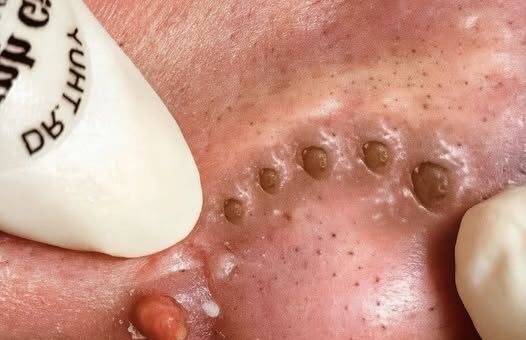
Another important habit is avoiding unnecessary touching of the face. Hands carry bacteria, dirt, and oil from many surfaces. Frequent touching may transfer these onto the skin and contribute to clogged pores or irritation. Picking pimples can also increase inflammation and leave marks that take much longer to heal. It is often better to let the skin recover gently rather than forcing quick results.
Clean surroundings also support healthy skin. Pillowcases, towels, and makeup tools collect oil and bacteria over time. Changing pillowcases regularly and cleaning items that touch the face can reduce unwanted skin irritation. These simple actions are easy to forget but can make a noticeable difference.
Exercise also supports skin health by improving blood circulation. Better circulation delivers oxygen and nutrients to skin cells and helps remove waste through natural processes. Sweating can also help clear pores when followed by proper cleansing. Even light exercise such as walking, stretching, or cycling contributes to overall skin vitality .
Finally, healthy skin requires patience. Many people expect instant changes, but skin responds gradually. A product or habit often needs several weeks before clear improvement appears. Constantly changing products or following every trend may confuse the skin rather than help it. A simple routine followed consistently usually gives better results than complicated methods.
Healthy skin is not about perfection. It is about regular care, smart protection, and understanding that small actions repeated daily become powerful over time. Washing gently, moisturizing, protecting from the sun, eating well, sleeping enough, and managing stress are simple habits available to almost everyone. These small steps may seem ordinary, but together they create strong, lasting results. In skin care, simplicity often wins.