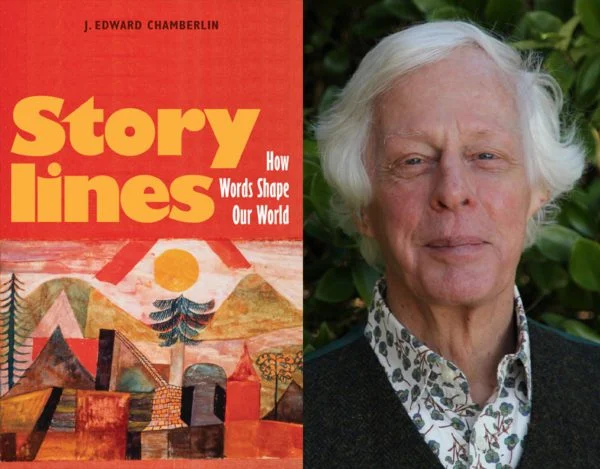
Stories have always played an important role in shaping how people understand the world around them. From historical accounts to personal experiences shared across generations, stories help connect individuals, communities, and cultures. They influence how we think, what we value, and how we respond to change. Whether told through books, conversations, films, or digital media, stories continue to be a powerful way of passing knowledge and building meaning in everyday life.
At their core, stories provide perspective. When people hear about events beyond their immediate surroundings, they gain insight into lives and experiences different from their own. This broadens understanding and encourages empathy. For example, a story about someone overcoming challenges can inspire others to approach their own difficulties with resilience. In this way, stories do more than entertain; they also guide attitudes and behaviors.
Throughout history, stories have helped preserve cultural identity. Traditions, beliefs, and values are often passed down through storytelling, allowing communities to maintain a sense of continuity over time. Oral storytelling, in particular, has been a cornerstone in many societies, ensuring that important lessons and historical events are not forgotten. Even as technology evolves, the essence of storytelling remains a shared human practice that connects generations.