Acne is one of the most common skin conditions affecting people of different ages, especially teenagers and young adults. It develops when hair follicles become clogged with oil, dead skin cells, and sometimes bacteria. Although it is often associated with puberty, acne can persist into adulthood and may be influenced by a variety of internal and external factors. Understanding the different types of acne and what causes them can help individuals manage their skin more effectively and choose appropriate care methods.
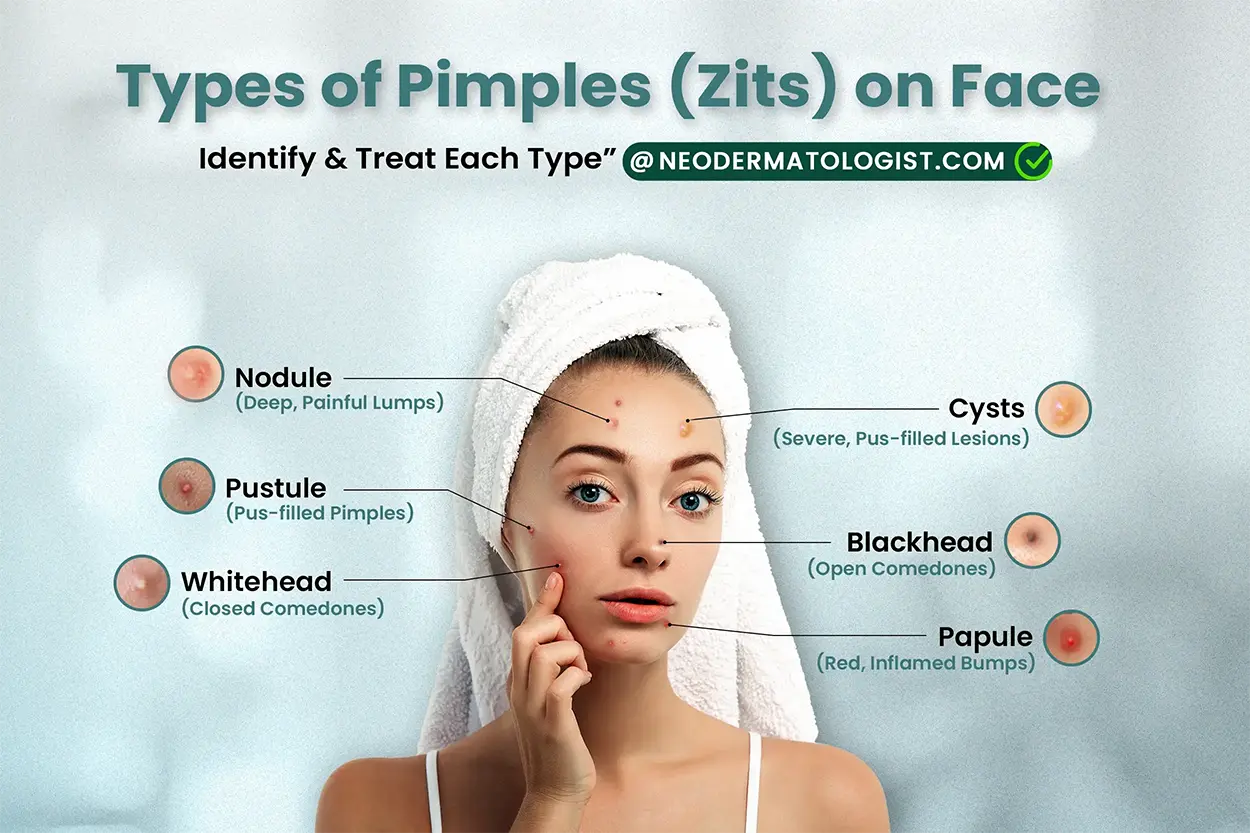
One of the most common forms is non-inflammatory acne, which includes blackheads and whiteheads. Blackheads form when a pore becomes clogged but remains open at the surface. The dark color is not dirt, but rather the result of oxidation when the clogged material is exposed to air. Whiteheads, on the other hand, occur when a pore is completely blocked, causing a small, flesh-colored bump to form under the skin. These types of acne are usually not painful but can be persistent if not treated properly. They are commonly caused by excess oil production, buildup of dead skin cells, and hormonal fluctuations that increase sebum production.
Inflammatory acne is a more severe form and includes papules, pustules, nodules, and cysts. Papules are small, red, and tender bumps that arise when clogged pores become irritated. Pustules are similar but contain visible pus at the top. These types often develop when bacteria multiply inside clogged pores, triggering an immune response that leads to redness and swelling. Nodules and cysts are deeper and more severe lesions that form under the skin. They can be painful and are more likely to cause scarring if not treated carefully. Hormonal imbalances, particularly during puberty, menstruation, or times of stress, are common contributors to inflammatory acne.